

Request an Appointment or call us
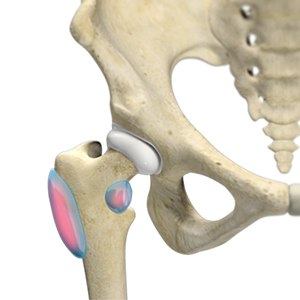
What is Trochanteric Bursitis?
Trochanteric bursitis is a painful condition caused by inflammation of the trochanteric bursa, a fluid-filled sac that overlies the greater trochanter (bony prominence at the outer side of the hip). Bursae are present at various regions of the body between the bones and tendons to reduce friction with movement.
What are the Causes of Trochanteric Bursitis?
Common causes of trochanteric bursitis include:
- Sports-related activities mainly football and soccer, involve a lot of running and overuse of the hip joint.
- Hip injuries due to a fall or bumping the hip against something
- Bone spurs in the hip or thighbone
- Incorrect posture
- Leg-length discrepancy
- Hip surgery complications
- Diseases such as rheumatoid arthritis, gout, psoriasis, thyroid disease
What are the Symptoms of Trochanteric Bursitis?
Some signs and symptoms of trochanteric bursitis include:
- Pain on the outer side of the hip, which usually increases with prolonged walking or climbing stairs
- Pain with lying on the affected area
- Tenderness in the affected area
- Stiffness of the hip joint
- In extreme cases, the area may become red and swollen
How is Trochanteric Bursitis Diagnosed?
Your doctor will review your medical history and symptoms and perform a physical examination of the hip joint. Imaging tests such as X-rays, MRI, and ultrasound may be recommended for further analysis. An anesthetic injection may also be done to diagnose trochanteric bursitis.
What is the Treatment for Trochanteric Bursitis?
Trochanteric bursitis can usually be treated with conservative measures such as rest, ice, and taking over-the-counter pain-relieving medication. If these measures fail, you may require:
- Prescription pain medications including corticosteroid drugs to reduce inflammation and swelling, and antibiotics to treat the infection.
- Physical therapy to strengthen the muscles and maintain flexibility of the hip.
In severe cases, surgical removal of the bursa may be recommended.
How Can Trochanteric Bursitis Be Prevented?
The risk of developing bursitis can be reduced by:
- Maintaining a healthy weight
- Regular exercise is done with proper form, warm-up, and stretching
- Avoiding activities that put excessive stress on the hips
- Using orthotics to correct a leg-length discrepancy
- Maintaining strength and flexibility of the hip muscles
For more information about our services Hip, Knee or to schedule an appointment, call us at or click here to request an appointment online. We’ll respond to you as soon as possible.