

Request an Appointment or call us
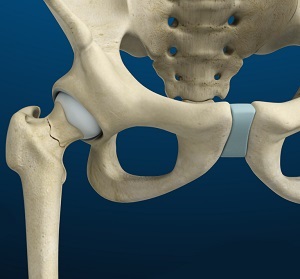
What are Stress Fractures of the Hip?
Stress fractures of the hip are a break in the upper part of the thigh bone (femur) that fits into the socket of the hip joint. It can occur in any part of the hip, however, it mostly occurs just below the ball of the ball-and-socket hip joint called the femoral neck.
Stress fractures of the hip are more common in distance runners (high-mileage runners), ballet dancers or high impact athletes of any age.
What are the Causes of Stress Fractures of the Hip?
Typically, stress fractures of the hip are caused by:
- Repetitive trauma or injury to the femoral bone
- Activities involving overuse of the hip
- A sudden and rapid increase in activity level
- Poor nutrition and inadequate energy intake
- Lower body mass index (BMI)
What are the Signs and Symptoms of Stress Fractures of the Hip?
Sometimes, stress fractures of the hip may not visible or felt in the early stages even on a regular X-ray. Nevertheless, symptoms distinctive to the condition can be any or both of the following:
- Pain in the groin area that usually worsens with an increase in the level of activity
- An aching groin pain that bothers with activity but is relieved by rest
What Happens If Stress Fractures of the Hip are Left Untreated?
If stress fractures of the hip are left untreated, the condition may lead to serious complications and eventually result in:
- Complete break of the femoral bone
- Dislocation of the femoral bone
- Weakening of the femoral bone
- Death of the femoral bone
- Hip osteonecrosis (lack of blood supply)
- Constant pain in the hip area
How are Stress Fractures of the Hip Diagnosed?
It is important to diagnose stress fractures of the hip early. If the condition is suspected based on symptoms, your doctor will order an X-ray followed by an MRI or bone scan to confirm the diagnosis.
What is the Treatment for Stress Fractures of the Hip?
Stress fractures of the hip call for an immediate cessation of activities that place stress on the hip joint.
Additionally, your doctor may recommend:
- Modification of activities in order to relieve symptoms
- Crutches (in mild cases) until the symptoms resolve
- Complete rest if the fracture area is large
It is often noticed that hip stress fractures heal without surgery. If the break is too significant and less likely to heal on its own, your doctor may opt for surgery.
How Can Stress Fractures of the Hip Be Prevented?
Stress fractures of the hip can be prevented if you:
- Shift to activities that place minimal stress on the hip joint
- Regularly do exercises that strengthen the hip muscles
- Increase the intake of calcium and vitamin D
For more information about our services Hip, Knee or to schedule an appointment, call us at or click here to request an appointment online. We’ll respond to you as soon as possible.